Thinking about the true cost of living in Gardnerville vs Reno? You are not alone. Families and remote professionals often weigh larger lots and quiet streets against shorter commutes and big‑city services. In this guide, you will learn how to compare total cost of ownership, not just home prices, so you can choose with clarity and confidence. Let’s dive in.
Cost of living overview
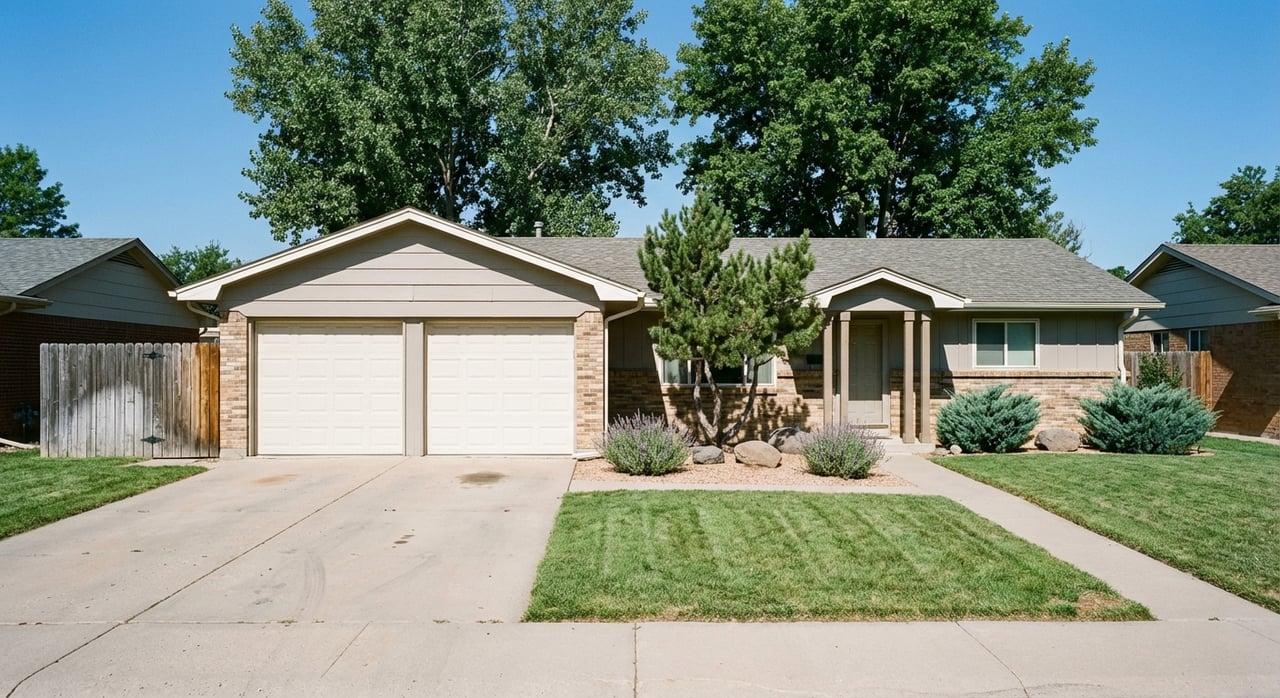
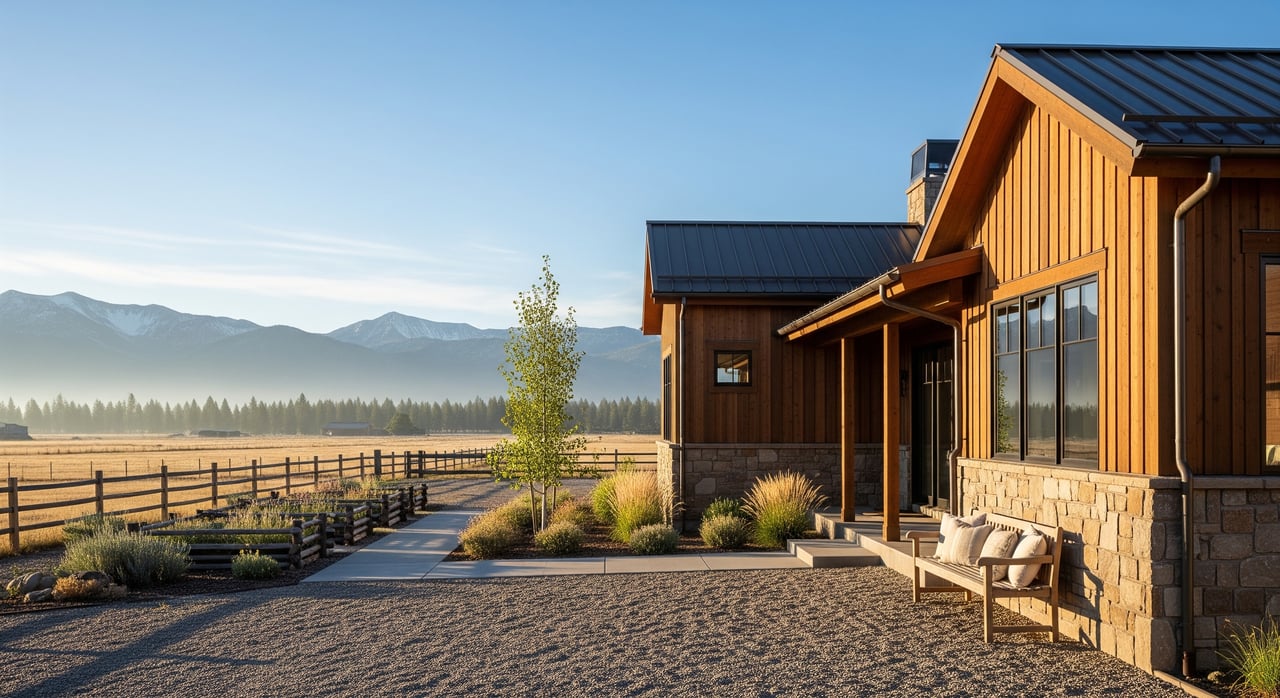
Gardnerville sits in the Carson Valley with a rural and suburban mix. You will see more single‑family and manufactured homes on larger lots, a strong outdoor lifestyle, and smaller‑town routines. Reno is a mid‑sized city and regional employment center with more condos, rentals, services, entertainment, and healthcare choices.
Job markets and wages differ. Reno has a broader employer base in tech, manufacturing, logistics, and hospitality, which can affect your income options. Nevada has no state personal income tax, which helps take‑home pay in both places. Property tax methods, local levies, and service fees vary by county, so exact costs depend on the parcel you choose.
What actually drives your TCO
Total cost of ownership is more than a list price or rent. It includes mortgage interest, property taxes, insurance, HOA dues, utilities, internet, maintenance, commute costs, childcare, and lifestyle spending. Your home’s location, construction type, age, and hazard exposure can shift these numbers more than most buyers expect.
To compare Gardnerville and Reno fairly, build a year‑by‑year TCO view for your top homes. Collect address‑specific quotes for insurance and utilities, check HOA coverage, and estimate commute and time value. Then compare the annual totals side by side.
Housing costs by type
Single‑family homes
Gardnerville offers more single‑family homes on larger lots, which can add yard and driveway maintenance as well as irrigation water usage. Winter weather and wildfire defensible‑space work may be part of annual upkeep. Reno offers a wider range of urban and suburban single‑family options with varied lot sizes and neighborhood services.
Key ownership items to model:
- Mortgage principal and interest based on down payment and rate
- Property taxes using county assessor methods for the parcel
- Homeowners insurance, including wildfire or flood endorsements if required
- Utilities by season, plus yard irrigation where applicable
- Maintenance, snow removal, and reserves for repairs
Condos and townhomes
Reno has more condo and multifamily inventory overall. HOA dues often cover exterior maintenance and sometimes utilities or master insurance. Review what the HOA includes, reserve strength, special assessments, and any building‑specific insurance requirements.
Manufactured homes
Manufactured homes can have lower purchase prices, but review land ownership and foundation status. Site or ground lease fees, different financing terms, and insurance needs can change your monthly total. Confirm utility connections, age, and condition to estimate maintenance.
Utilities and internet
Electricity in both regions typically comes from NV Energy, and natural gas service is provided in parts of the area by Southwest Gas. Winter heating is a major cost driver, and elevations within the Carson Valley can see colder periods than dense urban areas. Ask sellers or property managers for 12 months of utility bills to understand seasonal patterns.
Water, sewer, and trash depend on jurisdiction. In Gardnerville and Minden, you may see municipal or utility district pricing, while rural properties can have wells and septic systems with different maintenance needs. Reno neighborhoods are generally served by municipal systems with published rate schedules.
Internet availability is address‑specific. Reno often offers multiple wired providers and higher top speeds with more redundancy. Some Gardnerville areas rely on cable, fixed wireless, or satellite options. If you work from home, confirm upload and download speeds, latency, and backup options before you buy.
Commute and transportation costs
Reno is the regional job hub. Local drives within Gardnerville or to Carson City are often 10 to 30 minutes. A typical drive from Gardnerville to downtown Reno can take 40 to 70 minutes depending on traffic, weather, and season. Intra‑Reno commutes tend to be shorter, but peak hours and neighborhood choice still matter.
A simple commute cost calculator:
- Annual miles = round‑trip miles × days per week × 50 weeks.
- Operating cost = Annual miles × per‑mile cost (use the IRS standard mileage rate or your own estimate).
- Add parking and tolls where applicable.
- Time value (optional) = commute minutes per day × workdays × your personal hourly value.
Longer drives increase fuel, maintenance, tires, depreciation, and the time you spend in the car. Hybrid schedules, remote days, and off‑peak hours can trim costs.
Recreation, family, and services
Both areas offer strong outdoor access, but Gardnerville is closer to Carson Valley trailheads and southern Lake Tahoe access points. If you ski or boat often, budget for passes, permits, gear, and extra vehicle maintenance. Reno provides broader dining, entertainment, and retail choices at varied price points.
Childcare costs in Nevada can be significant and vary by provider and program type. Urban areas may offer more options, but demand is high. For healthcare, Reno has larger hospitals and more specialist services, while some Gardnerville residents travel to Reno for specialty care.
Build your local TCO in five steps
- Purchase and loan: Gather list price, expected sale price, down payment, rate, and term. Calculate monthly principal and interest.
- Taxes and insurance: Pull parcel tax details from the county assessor and get two insurance quotes, including wildfire and flood endorsements if relevant.
- HOA and utilities: Verify HOA coverage and dues. Request 12 months of electric, gas, water, sewer, and trash bills. Add internet at your required speed tier.
- Maintenance and hazards: Budget 1 to 3 percent of home value annually depending on age and condition. Include snow removal, defensible‑space work, roof reserves, and well or septic upkeep if applicable.
- Commute and lifestyle: Model commute costs, parking, childcare, recreation passes, and any city‑center parking or service fees.
Finish by adding annual totals and dividing by 12 for a monthly comparison. Repeat this for your top two or three properties in each location so you can compare apples to apples.
Which location fits your goals
Choose Gardnerville if you value larger lots, a quieter setting, and fast access to outdoor recreation. Your TCO may benefit from space per dollar in some cases, but expect higher transportation time if you commute to Reno and confirm broadband for remote work.
Choose Reno if you want shorter commutes to city jobs, broader service options, and more condo or townhome choices. Your TCO may include higher HOA dues in some buildings and urban parking costs, but you could save on daily drive time.
Ready to compare real homes with real numbers? As a Gardnerville native with a finance‑driven approach, I can help you assemble a property‑specific TCO and negotiate with confidence. Start the conversation with Chris Lamb.
FAQs
Which place is cheaper overall for a homeowner?
- It depends on the exact property: compare purchase price, taxes, insurance, HOA, utilities, commute costs, childcare, and recreation to get a true total.
How do I estimate Gardnerville to Reno commute costs?
- Multiply round‑trip miles by your days per week and weeks per year, apply a per‑mile cost, add parking, and consider your time value for the longer drive.
Will homeowners insurance be higher near Tahoe and Carson Valley?
- Wildfire and weather exposure can increase premiums or deductibles, so get address‑specific quotes that include required wildfire or flood endorsements.
What should remote professionals check before choosing a home?
- Confirm wired internet options, upload/download speeds, latency, backup connectivity, and power resilience at the address, plus a workable hybrid‑day commute.
How do Douglas and Washoe property taxes factor into TCO?
- Each county uses its own assessments and local levies, so pull parcel‑level tax details from the county assessor to compare annual amounts accurately.