Selling a ranch or rural property from another city or state can feel like trying to manage a moving target. You are dealing with land, improvements, records, disclosures, and often water or utility questions that do not come up in a typical neighborhood sale. The good news is that with the right prep and a clear system, you can sell remotely and still stay in control. Let’s dive in.
Why rural sales need more planning
A remote sale in Northern Nevada is rarely just about the house. In areas of Washoe County, parcel details like zoning, parcel size, and whether the property uses municipal services or relies on a well and septic can affect how the property is evaluated and marketed. Washoe County notes that these property details are key factors in eligibility and use.
That matters because ranch and acreage listings often require more paperwork and more coordination than a standard suburban home. If you are selling from afar, it helps to think of the process as two tracks at once: presenting the property well and organizing the documents buyers will want to review.
Start with the key property records
Before your property goes live, gather the records that explain how it functions. For many rural properties, that includes well information, septic records, permits for major work, repair receipts, and maintenance history.
In Washoe County, Northern Nevada Public Health oversees domestic well construction and septic or wastewater disposal and offers well and septic records requests. If you are out of area, requesting these records early can save time later when a buyer asks for details.
Well and septic details matter
Buyers tend to ask practical questions quickly, especially on rural property. They want to know the water source, wastewater setup, and whether there have been repairs, upgrades, or known issues.
Nevada’s Seller’s Real Property Disclosure form specifically asks about water source, wastewater disposal, water treatment systems, moisture or water damage, structural issues, solar panels, unpermitted work, and other conditions that could materially affect value or use. If you have paperwork ready, you can answer these questions with more confidence and fewer delays.
Water rights may be a separate process
For some Northern Nevada ranches and irrigated acreage, water rights are one of the biggest issues in the transaction. The Nevada Division of Water Resources states that water rights are treated as real property and must be conveyed by deed and recorded with the county where the water is diverted and put to beneficial use.
That means a sale may involve more than a standard escrow file. NDWR says ownership updates may require a Report of Conveyance, an Abstract of Title, a complete chain of title, and applicable fees. If your property includes irrigation or stock-water rights, this should be reviewed early so it does not become a last-minute surprise.
NDWR also explains in its water rights ownership FAQs that a licensed water rights surveyor can help research and prepare forms. For an absentee owner, that can be an important part of keeping the transaction moving.
Complete disclosures early, not late
One of the most important steps in any remote sale is handling disclosures early. Nevada’s disclosure form requires sellers to disclose any known condition that materially affects the value or use of the property in an adverse manner.
The same Nevada disclosure form also makes clear that the seller’s agent may not complete the form for the seller. It must be served at least 10 days before conveyance, and if a new defect is discovered before closing, it must be disclosed in writing as soon as practicable.
For remote sellers, this means waiting until escrow is underway can create avoidable stress. A better approach is to fill out the form carefully before listing, gather your supporting documents, and update anything new as soon as you learn about it.
What to review before listing
Focus first on issues that commonly affect rural property value, buyer confidence, or disclosure questions:
- Safety concerns
- Water or septic issues
- Structural defects
- Moisture or drainage problems
- Unpermitted improvements
- Deferred maintenance
- Solar or water treatment equipment details
- Repair invoices and contractor notes
The disclosure form is not a warranty and does not replace inspections, but solid documentation can make the process smoother for everyone.
Prepare the property for wildfire questions
Wildfire readiness is a recurring issue for rural and semi-rural property in Northern Nevada. If your parcel sits in or near the wildland-urban interface, buyers may look closely at brush, access, vegetation, and general site maintenance.
Washoe County emphasizes defensible space as a key part of wildfire prevention, and the Nevada Division of Forestry also highlights defensible space inspections as a proactive measure. For sellers, this makes pre-listing cleanup more than just cosmetic.
What to handle before photos and showings
If possible, address the exterior items that affect first impressions and buyer concerns at the same time:
- Clear excess brush and fuels near structures
- Improve visible defensible space
- Tidy access roads, gates, and drive approaches
- Remove obvious debris or deferred outdoor maintenance
- Make barns, corrals, and outbuildings presentable
This kind of prep helps buyers see the property more clearly online and in person. It also shows that the property has been managed with care.
Treat digital marketing as your first showing
When you are selling remotely, your marketing has to do more of the work up front. According to the National Association of Realtors 2025 profile summary, 43% of buyers began their search on the internet. For many ranch and rural listings, that means buyers form their first impression long before they visit the property.
Strong digital presentation is not optional. It is how you create momentum, especially when the property is unique, farther from town, or likely to attract out-of-area buyers.
Why staging and visuals matter
NAR’s 2025 staging snapshot found that 83% of buyers’ agents said staging made it easier for buyers to visualize a property as a future home. The same report found that buyers’ agents rated photos, physical staging, videos, and virtual tours as important tools for clients.
For a rural property, staging should be thought of as a visual system, not just decor. The goal is to help buyers understand how the home, land, and improvements fit together.
What your media package should show
A strong rural listing should tell a complete story of the property. That usually means more than interior photos alone.
Based on NAR’s guidance on creating virtual tours and its staging data, your digital package should aim to show:
- The approach to the property
- Driveways and gates
- The home exterior and key interior rooms
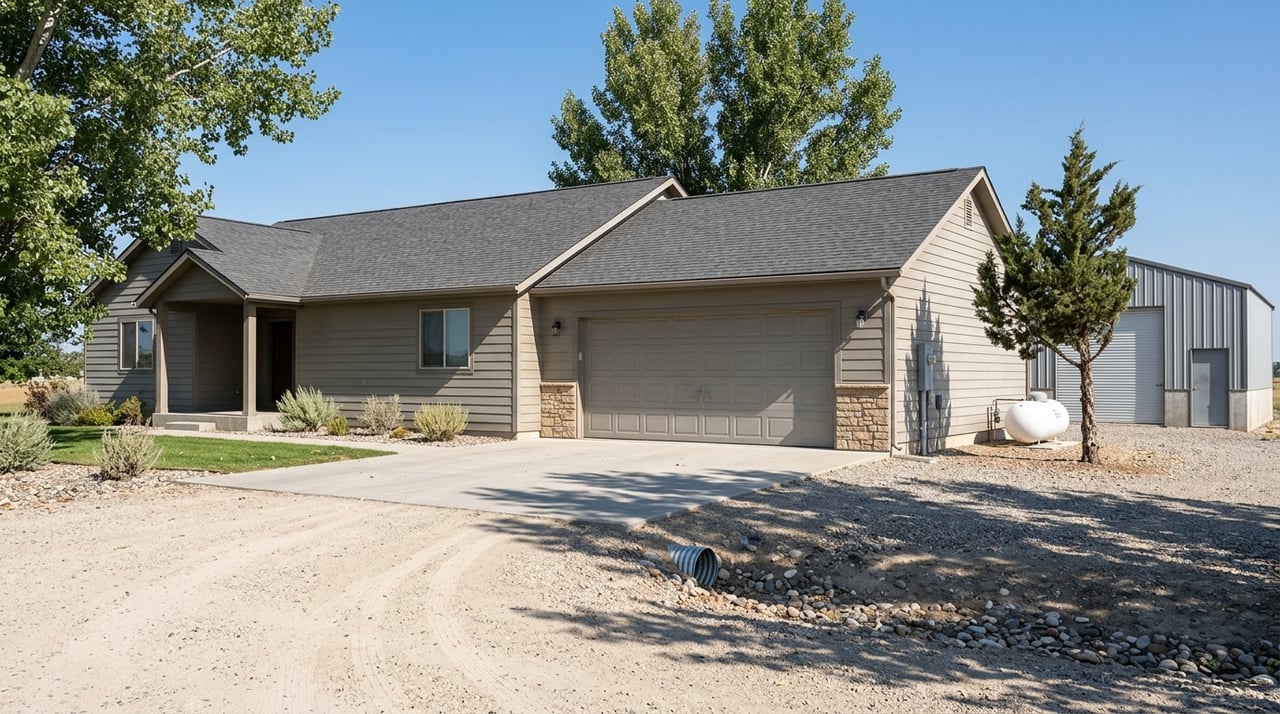
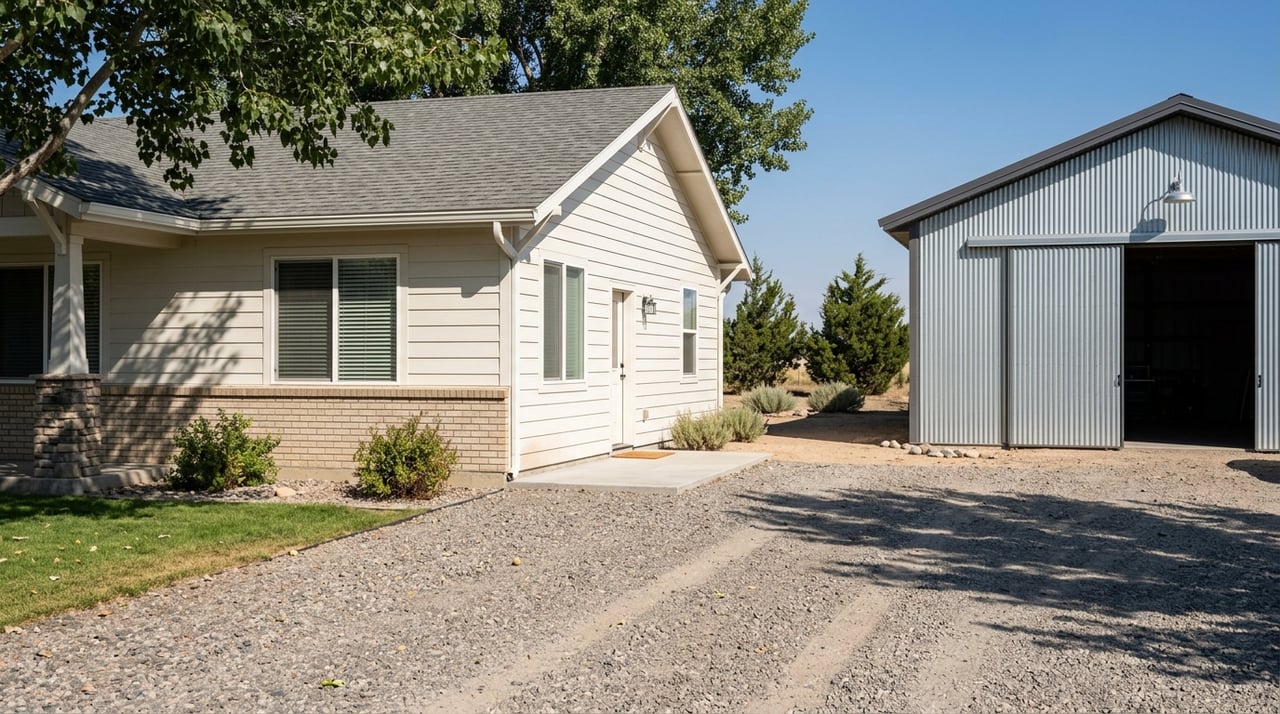
- Barns, corrals, shops, or outbuildings
- Pasture edges or usable land areas
- Water features, where relevant
- Defensible space and site condition
- Video, drone views, 3D tours, or floor plans when useful
For absentee owners, this kind of package is especially valuable because it reduces confusion and helps qualify serious buyers earlier.
Build a communication system for escrow
Remote sales work best when communication is simple, consistent, and fast. Once you accept an offer, you may need to respond quickly to inspection findings, repair requests, disclosure updates, and signing deadlines.
Nevada allows a path for some remote signing steps. The Nevada Secretary of State says a Nevada electronic notary registered for audio-video communication may perform notarial duties for a remotely located individual, subject to statutory requirements and limitations.
That does not mean every closing detail runs on autopilot. It does mean you can often stay engaged and keep the process moving without being physically present.
Keep these items organized during escrow
For a ranch or rural sale, keep a running file of the records most likely to come up:
- Seller disclosures
- Well and septic records
- Permit history for major improvements
- Repair estimates or invoices
- Water-rights paperwork, if applicable
- Notes on any new condition discovered before closing
This is especially important when water rights are involved, because NDWR requires specific conveyance and title documentation for ownership updates.
Can you really sell without being local?
Yes, you can. But remote selling works best when you are proactive about disclosures, responsive during escrow, and realistic about the extra layers that come with rural property.
In Northern Nevada, the biggest issues are often not dramatic. They are practical. Water rights, well and septic records, wildfire readiness, and clean documentation can all affect how smoothly your sale moves from listing to closing.
If you want a sale that feels more predictable, the goal is simple: prepare early, market the property thoroughly, and keep the paperwork trail organized. If you are ready to plan your next move, Chris Lamb offers full-service guidance backed by local knowledge, clear communication, and modern marketing built for complex Northern Nevada properties.
FAQs
Can I sell a Northern Nevada ranch property while living out of state?
- Yes. Remote sellers can complete a sale successfully, but you still need accurate disclosures, responsive communication, and a plan for document handling, showings, and signing.
What records should I gather before listing a Washoe County rural property?
- Start with well and septic records, permits for major improvements, repair receipts, maintenance history, and any water-rights documents tied to the property.
What does Nevada require in a seller disclosure for rural property?
- Nevada requires you to disclose known conditions that materially affect value or use, including issues related to water source, wastewater disposal, structural defects, moisture, unpermitted work, and other relevant property conditions.
Why are water rights important when selling Northern Nevada acreage?
- Water rights can require separate conveyance documents and title records, and for irrigated or ranch property they may be a major part of the transaction rather than a minor detail.
What marketing matters most for a remote ranch sale?
- High-quality photos, video, virtual tours, and thoughtful staging matter most because many buyers begin online and need help understanding both the home and the land.
How should I prepare a rural property for showings in wildfire-prone areas?
- Focus on defensible space, brush clearance, fuel reduction, and general exterior cleanup so the property presents well and addresses a common buyer concern in Northern Nevada.