Trying to choose between a newer Sparks community and an established in-town area? You are not alone. This is one of the biggest decisions many buyers face because the right fit often comes down to your routine, your budget, and how much maintenance or structure you want in daily life. If you understand how Sparks has grown and what each area tends to offer, you can make a more confident move. Let’s dive in.
How Sparks Splits Between Newer and Established Areas
Sparks has a clear growth pattern that shapes your home search. The city’s historic core is centered around downtown Sparks and Victorian Square, while much of the newer growth expanded north into the Spanish Springs Valley starting in the 1990s.
That matters because these two parts of Sparks often deliver very different ownership experiences. In broad terms, newer north-side communities tend to be planned developments, while established in-town areas usually reflect older street patterns, older homes, and more block-to-block variety.
Transportation also follows this geography. Sparks is connected by I-80 and US 395, and the city plan identifies key interchanges at Vista Boulevard, Sparks Boulevard, McCarran Boulevard, Pyramid Way, Rock Boulevard, and Prater Way.
Transit access can look different too. RTC identifies service in places like the industrial area, Sparks Marina, Prater Way, and Victorian Avenue, with RTC CENTENNIAL PLAZA serving as the main transit center in downtown Sparks.
What Newer Sparks Communities Often Offer
Newer Sparks communities are not all the same. The city’s planning documents show that north-valley planned developments can include apartments, assisted living, condominiums, clustered single-family lots, and a range of single-family home types.
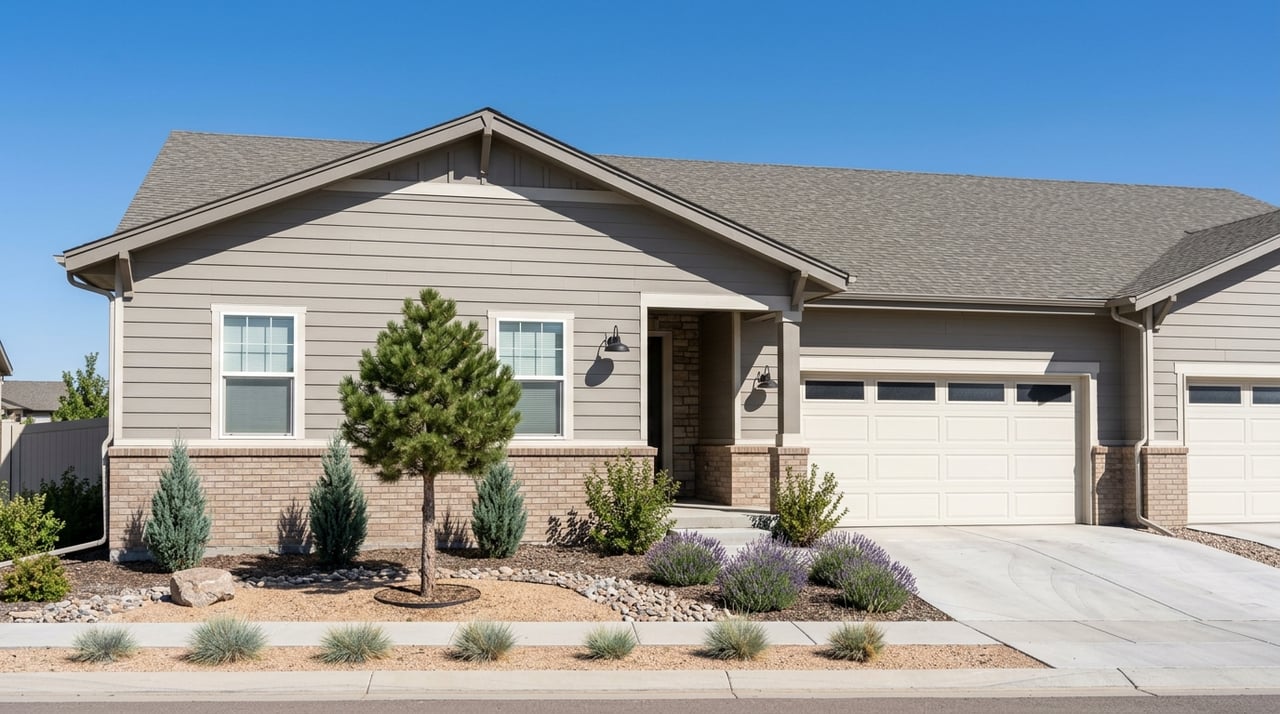
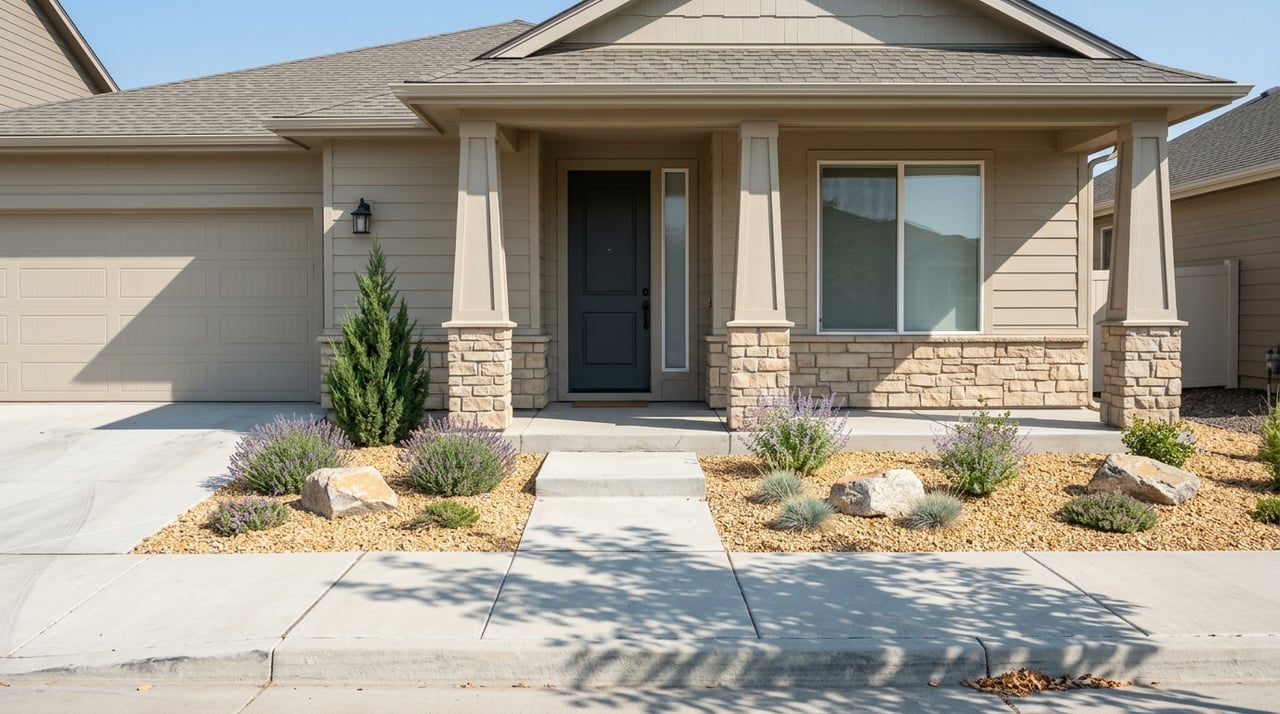
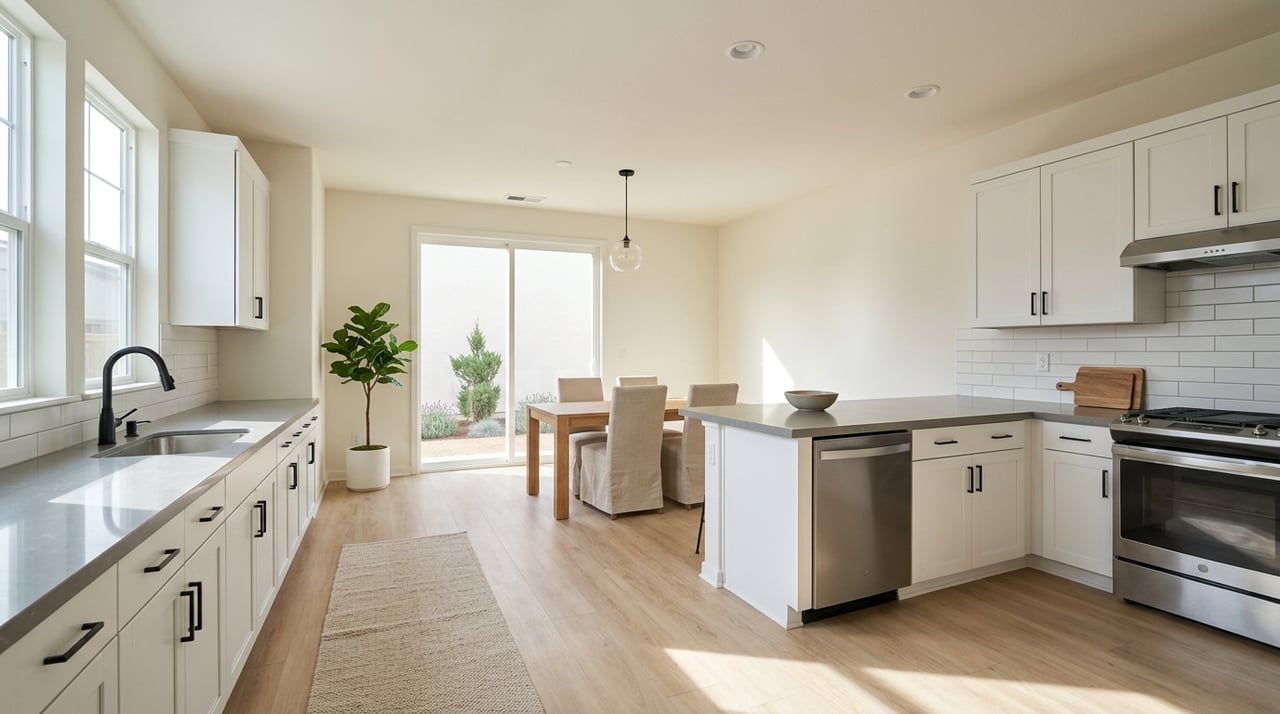
In current new-build communities, you may see features that appeal to buyers who want modern layouts and newer systems. Examples in Sparks include single- and two-story homes, open-concept floor plans, multigenerational layouts, single-story duet-style homes, and larger homesites with 3- and 4-car garages or RV garage options.
Some communities also emphasize lifestyle amenities. Current examples in Sparks include neighborhoods with parks, picnic areas, resort-style amenities, and low-maintenance 55+ living options.
That variety is helpful because “newer community” does not automatically mean one standard product. Your experience can differ quite a bit depending on whether you are comparing a smaller attached home, a larger detached home, or an age-restricted low-maintenance community.
Predictability and Shared Standards
One of the biggest draws of newer communities is consistency. Planned developments in Sparks are often built around shared design standards, streetscape requirements, and common systems rather than just individual lots.
For many buyers, that creates a more predictable ownership experience. You may trade some personal autonomy for a more uniform look, shared upkeep, and a neighborhood structure that is easier to understand from day one.
Nevada HOA law is part of that equation. In a common-interest community, the association generally maintains the common elements, while the owner maintains the unit or home area assigned to that owner.
Maintenance Still Matters in Newer Areas
A newer home can reduce the chance of immediate replacement costs for major items like roof components, windows, or mechanical systems. Still, ownership in Sparks comes with ongoing exterior and landscape considerations because of the region’s dry climate.
Truckee Meadows Water Authority says the area is a high-desert climate with average annual rainfall of about seven inches. It also promotes assigned-day watering and water-efficient landscaping, which means outdoor irrigation deserves your attention even in a newly built neighborhood.
Budget Can Vary More Than You Think
Pricing in newer Sparks communities can vary by home type, lot size, and amenities. Current builder examples in Sparks show pricing that can start in the low-$500,000s for some smaller or 55+ options and reach into the $700,000s and above for larger luxury homes.
That range is important when you compare neighborhoods. In many cases, your budget is tied as much to the specific product and amenity package as it is to the fact that the home is new.
What Established Sparks Areas Often Offer
Established in-town Sparks areas deliver a different kind of value. Downtown Sparks is the city’s historic core, and local history sources describe Sparks as a railroad town that took shape just after the turn of the twentieth century.
That older foundation still shows up in the built environment today. Established areas near the core are generally more historically grounded, denser, and less uniform than newer master-planned neighborhoods in north Sparks.
City planning policy also supports a different feel in previously developed areas. Sparks calls for pedestrian access such as sidewalks on both sides of the street or a multi-use path on one side, and the mixed-use district is intended to support infill, walkability, and transit ridership.
More Variety, More Character
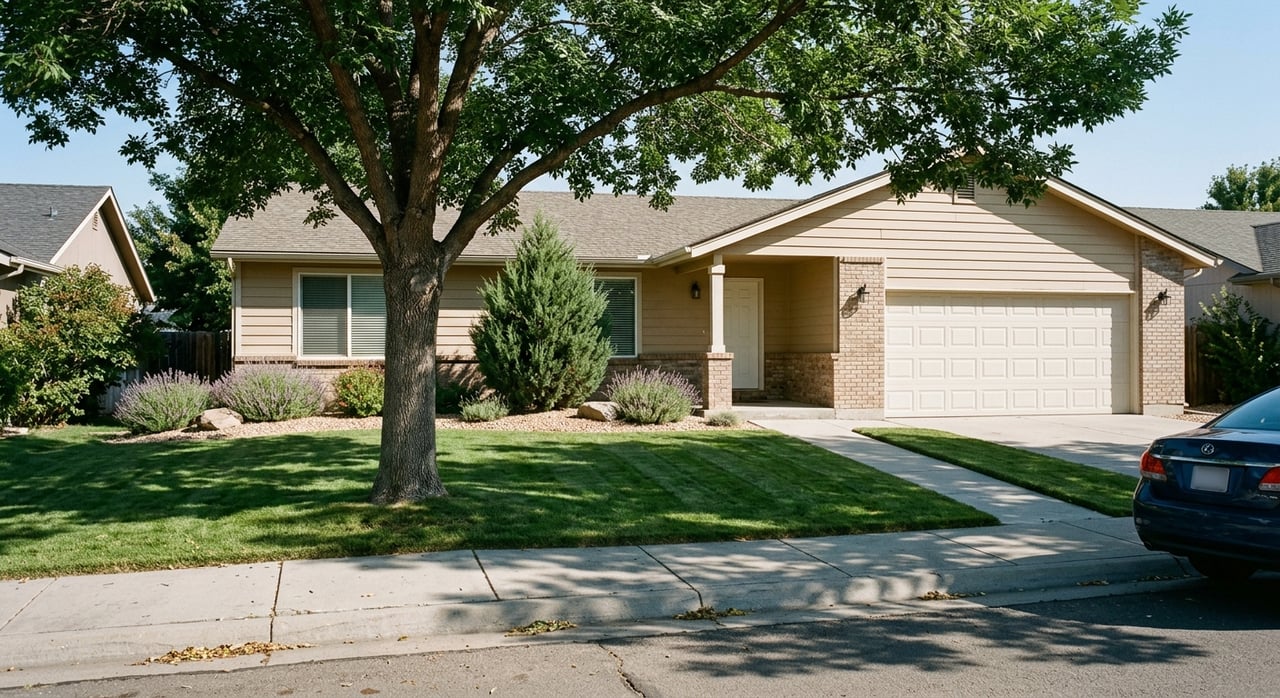
If you want more block-to-block variation, established areas may be worth a closer look. These parts of Sparks are more likely to include older detached homes, renovated properties, and infill opportunities rather than rows of similar recent construction.
For some buyers, that variety is a major plus. You may find a home with a more central location or a setting that feels more connected to Sparks’s historic core.
Older Homes Need More Due Diligence
The tradeoff is that older homes usually require a closer review before you buy. If a property is older, you may need to pay more attention to insulation, windows, air sealing, and the age of major systems.
If you plan to renovate, the build year matters too. EPA guidance notes that homes built before 1978 can involve lead-based paint precautions during renovation.
That does not mean an older home is a bad choice. It just means your inspection strategy and improvement budget need to be realistic.
Yard Care Still Follows Local Water Rules
Established neighborhoods are not exempt from outdoor maintenance. TMWA notes that summer irrigation can significantly increase water use, and it recommends assigned-day watering, correct drip irrigation, and water-wise plant choices.
So while an established area may offer more renovation freedom, it still comes with the same regional landscape and irrigation realities as the rest of Sparks.
How To Decide Which Fits You Best
The better option depends on how you want to live, not just what looks best online. A smart decision usually comes down to routine, upkeep, commuting, and how much structure you want from the neighborhood itself.
Newer communities often make sense if you want newer systems, more standardized exteriors, HOA-managed common areas, or amenity-focused neighborhoods. They can also be a good fit if you want one-story living, multigenerational floor plans, larger garages, or a low-maintenance 55+ setup.
Established in-town areas often make sense if you value central access, historic context, and more variety from one block to the next. They can also fit buyers who are comfortable budgeting for inspections, updates, and possible system improvements.
A simple way to frame it is this: newer communities often trade rules and dues for predictability, while established areas often trade more maintenance responsibility for location and character.
Compare Your Daily Routine First
Before you focus on finishes or curb appeal, think about how you will actually move through the city each day. In Sparks, commute convenience can change a lot depending on whether you are relying mostly on freeway access, arterial roads through north Sparks, or transit closer to downtown.
If your day depends on quick access to I-80 or US 395, one location may clearly work better than another. If you are considering bus access, being closer to RTC CENTENNIAL PLAZA or corridors like Victorian Avenue and Prater Way may matter more.
This is one reason it helps to test the route in real time. Driving or mapping the trip during the hours you actually expect to travel can tell you much more than a listing description.
A Practical Sparks Home Search Checklist
As you compare newer and established areas, keep your questions focused and practical:
- Review the HOA budget and CC&Rs if the home is in a common-interest community
- Confirm whether streets are public or private
- Ask who handles landscaping and irrigation
- Check the age of the roof and HVAC system
- Verify whether the home was built before 1978 if renovations are planned
- Map your real commute route or bus option
- Look at the neighborhood pattern, not just the house itself
- Factor in outdoor water use and irrigation needs
This kind of side-by-side review can help you compare homes more clearly. It also helps you avoid choosing a property that looks right on paper but does not match your day-to-day priorities.
If you want guidance that balances local knowledge with practical decision-making, Chris Lamb can help you compare Sparks neighborhoods, weigh the tradeoffs, and move forward with a clear plan.
FAQs
What is the main difference between newer and established Sparks areas?
- Newer Sparks communities are often planned developments in north Sparks with more standardized layouts, shared amenities, and HOA structure, while established in-town areas near the historic core usually offer older homes, more variety, and a more central urban pattern.
Are newer Sparks communities only single-family neighborhoods?
- No. City planning documents show that newer north-valley developments can include apartments, assisted living, condominiums, clustered single-family lots, and a range of detached home types.
Do established Sparks neighborhoods usually have older homes?
- Yes. Established in-town Sparks areas are more likely to include older detached homes, renovated properties, and infill opportunities tied to the city’s historic development pattern.
Should you worry about maintenance in a newer Sparks home?
- A newer home may reduce the chance of immediate major replacement costs, but you still need to pay attention to outdoor irrigation, landscaping, and any owner responsibilities defined by the HOA.
Why does commute planning matter when choosing a Sparks neighborhood?
- Sparks commute convenience depends heavily on location relative to I-80, US 395, key interchanges, major arterial roads, and transit service near downtown corridors like Victorian Avenue and Prater Way.
What should you review before buying in a Sparks HOA community?
- You should review the HOA budget, CC&Rs, maintenance responsibilities, landscaping expectations, and whether the streets and common areas are public or private.