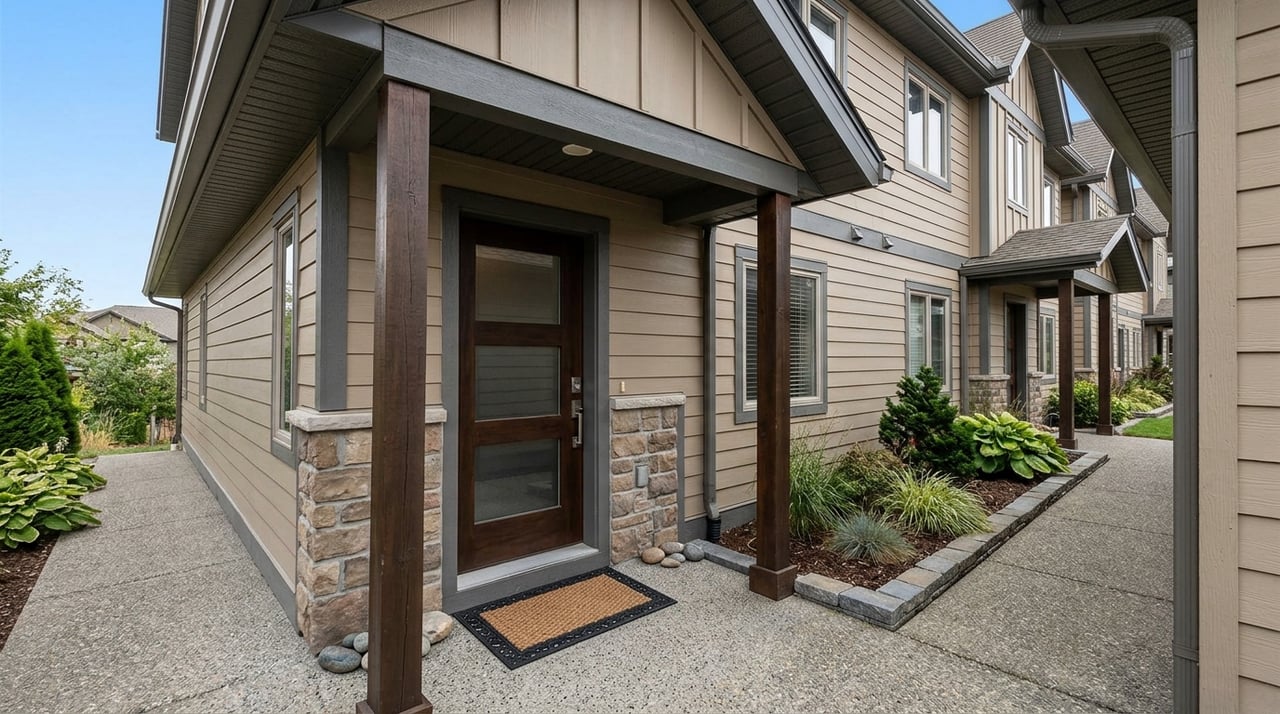
If you want a home base that does not demand constant yard work, exterior upkeep, or a long to-do list before every trip, lock-and-leave living in Carson City deserves a closer look. Many buyers want a place that feels easy to manage without giving up everyday convenience, access to services, or a strong Northern Nevada location. In this guide, you’ll learn what lock-and-leave living usually means in Carson City, why the city works well for busy owners, and what to review before you buy. Let’s dive in.
What lock-and-leave means in Carson City
In Carson City, lock-and-leave living usually lines up with Nevada common-interest communities, often called CICs. In these communities, owners pay assessments that go toward shared taxes, insurance, maintenance, and other common expenses, while the association manages common elements and day-to-day operations.
That setup can be appealing if you travel often, split time between homes, or simply want less exterior responsibility. It often means you can leave town with fewer concerns about routine outdoor upkeep, but it also means you agree to community rules, dues, and governing documents.
Nevada’s CIC framework matters here. Owners are bound by CC&Rs and other association documents, and unpaid assessments can create foreclosure risk. That makes it important to look past the phrase “low maintenance” and understand exactly how the community functions.
Why Carson City fits busy owners
Carson City has a practical location for people who want flexibility. Official visitor information describes the city as positioned between Reno, Lake Tahoe, and the Sierra Nevada, with Lake Tahoe about 25 minutes away and Carson Valley roughly 20 to 25 minutes to the south.
For many owners, that geography is a big part of the appeal. You can use Carson City as a home base that supports quick weekend trips, seasonal use, or regular travel without living in a resort core. It gives you access to multiple destinations while keeping everyday services closer at hand.
Transportation options also help. Carson City Airport serves private and air-taxi operators, and the city notes that the RTC INTERCITY shuttle runs daily between Carson City and Reno-Tahoe International Airport. If you travel often, that kind of connectivity can make a real difference.
Everyday convenience matters
A lock-and-leave home only works well if daily life stays manageable when you are in town. Carson City offers that balance better than many more remote settings because practical services, transportation, and recreation are close together.
The JAC transit system operates four fixed routes and is designed to support work, shopping, medical appointments, and recreation. Current service runs weekdays from 6:30 a.m. to 7:30 p.m. and Saturdays from 8:30 a.m. to 4:30 p.m., which can be useful if you want alternatives to driving for some trips.
The city also notes that travelers can transfer from JAC to RTC INTERCITY for Reno trips and to Valley & Lake Express for connections to Minden, Gardnerville, and South Lake Tahoe. That adds flexibility for owners who divide time between communities or want easier regional access.
Medical access is another practical factor. Carson Tahoe Health’s regional medical center is in North Carson City and offers 24-hour emergency care, while its specialty medical center is in the heart of Carson City. For many buyers, that supports the idea of using Carson City as either a primary home or a second home.
What HOA-covered living can include
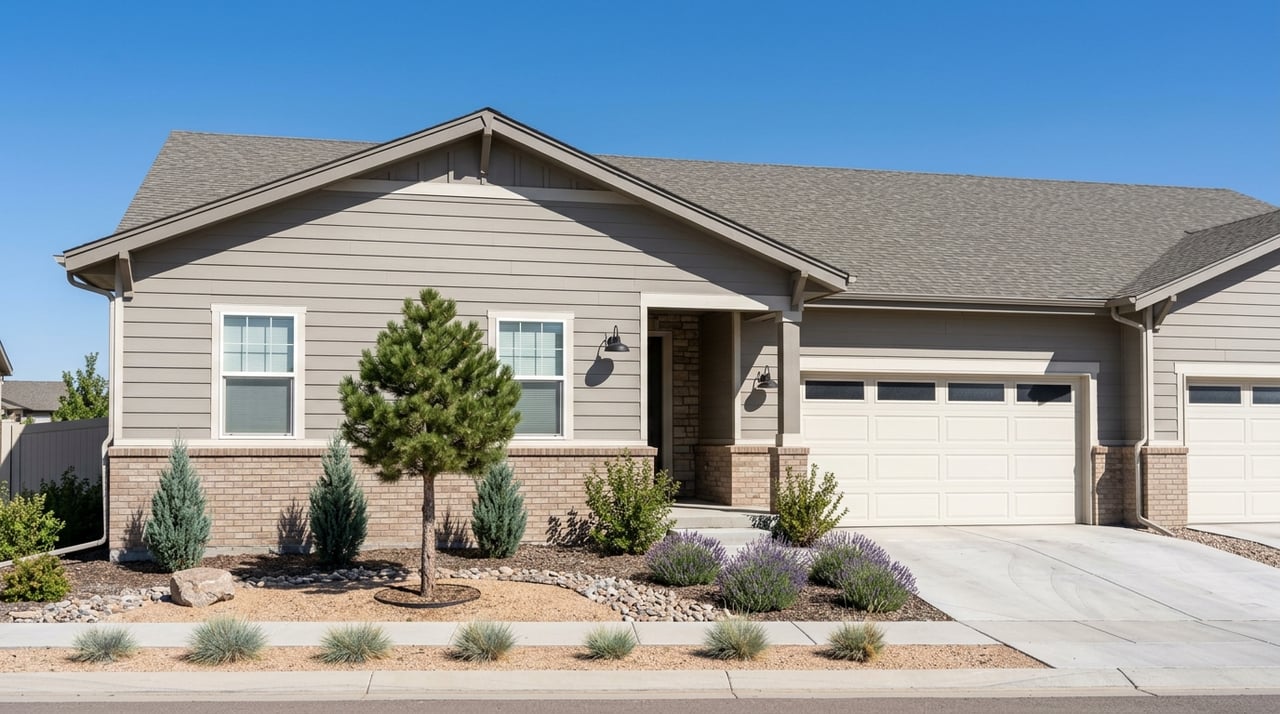
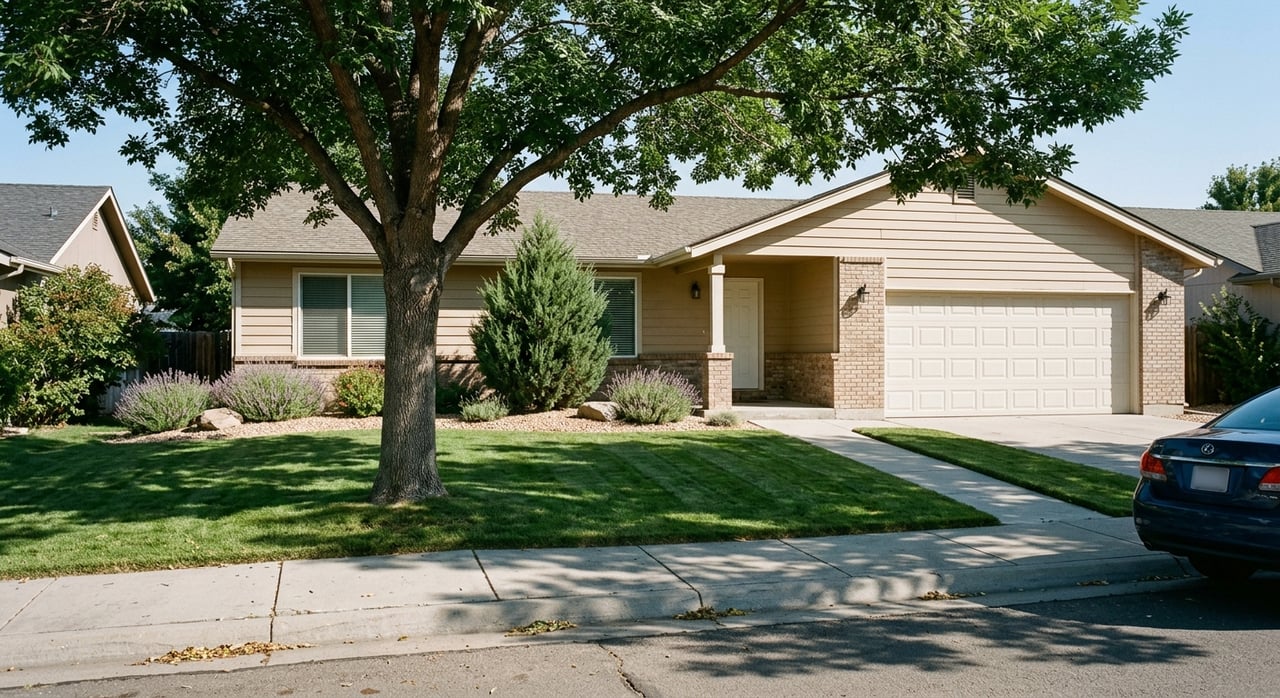
When buyers picture lock-and-leave living, they often imagine a condo or townhome where major exterior chores are handled for them. In current Carson City listings, that practical meaning often includes HOA-covered services such as water, sewer, trash, snow removal, exterior upkeep, roofing, clubhouse access, a seasonal pool, assigned parking, and private patios or finished garages.
The key word is can. Those features appear in representative listings, but they are not universal standards across every Carson City community. One neighborhood may cover much more than another, even if both are described as low maintenance.
That is why your review should start with specifics. You want to know what the dues cover, what remains your responsibility, and whether the community’s reserve funding and maintenance obligations appear well defined.
The tradeoff: less upkeep, more rules
The biggest advantage of lock-and-leave living is usually straightforward. You take on less exterior responsibility, which can make travel, second-home ownership, or a busy work schedule easier to manage.
The tradeoff is just as important. In Nevada CIC communities, you are not only buying the property. You are also stepping into a shared system with dues, rules, architectural standards, and association authority laid out in the governing documents.
That balance is the real lifestyle decision. If you value simplicity, predictability, and less hands-on maintenance, the structure may feel worth it. If you want full control over exterior decisions or rental flexibility, you may need to look more carefully at the rules before moving forward.
Carson City’s climate and maintenance angle
Carson City’s local conditions make low-maintenance ownership especially relevant. The city posts summer irrigation restrictions from June 1 through September 30, including three watering days per week based on address parity, a daytime watering ban, and no watering on Mondays.
For some owners, that is one more reason to favor a property with less yard care or more shared exterior management. You may spend less time coordinating watering schedules, landscaping upkeep, and seasonal exterior tasks when the community handles more of that workload.
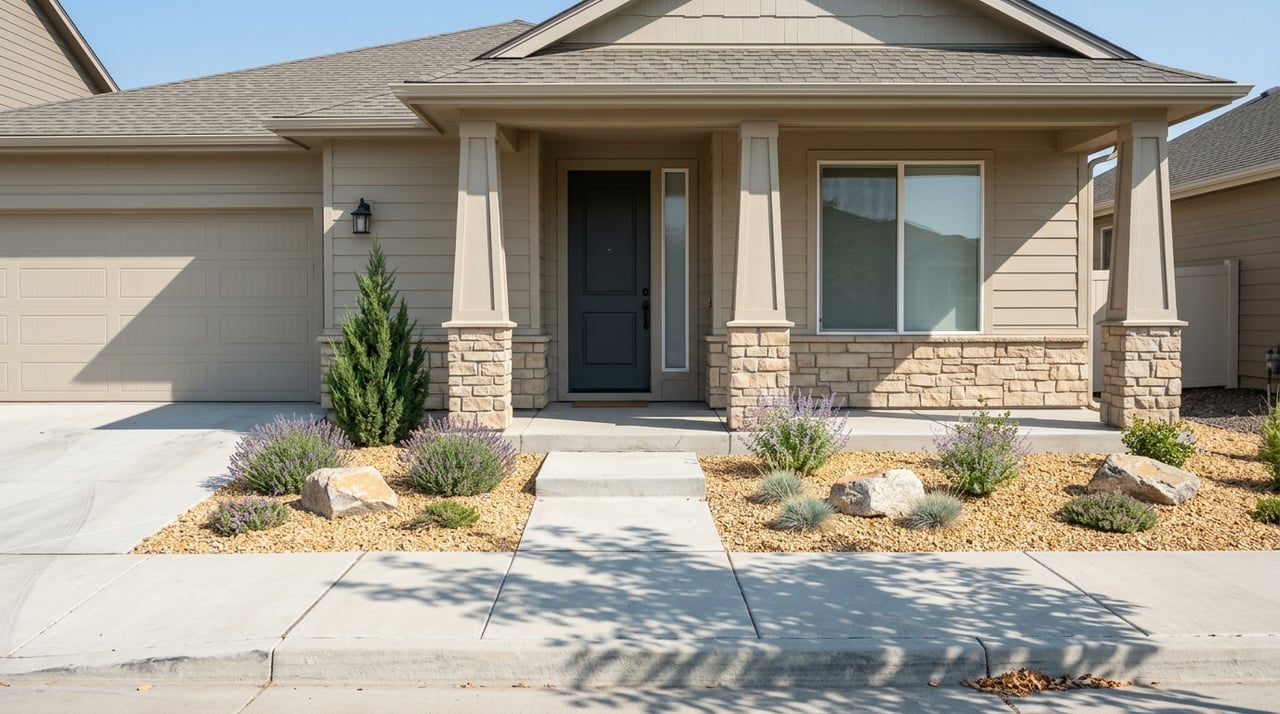
Nevada HOA law also states that associations cannot prohibit drought-tolerant landscaping, although owners may still need architectural review approval. So even in communities with HOA oversight, there can still be room for water-conscious landscaping choices within the review process.
Lifestyle access is part of the value
Lock-and-leave living is not only about what you avoid. It is also about what becomes easier to enjoy when your home demands less time and attention.
Carson City says it has more than 30 parks, more than 70 miles of trail, and more than 8,000 acres of open space. That gives you a wide range of recreation options without needing to plan a full getaway every time you want fresh air or a change of pace.
Official tourism materials also highlight hiking, biking, downtown shopping, food and drink, museums, and historic routes. The Kit Carson Trail is a 2.5-mile walk through the historic district with nearly 50 landmarks, and local trail information notes that Carson City’s lower elevation compared with Tahoe supports year-round access to the Carson River, back-country lakes, mountain peaks, and some Lake Tahoe shoreline.
That mix supports the lifestyle well. You can leave town when you want, come back with minimal home-related stress, and still have recreation, errands, and civic services within easy reach.
Questions to ask before you buy
Before you commit to a lock-and-leave property in Carson City, focus on the details that affect your day-to-day ownership. The monthly dues matter, but the bigger question is what those dues actually buy you.
Here are some smart questions to ask:
- What do the HOA dues cover each month?
- Which exterior items are maintained by the association?
- Are roofing, siding, snow removal, and landscaping included?
- How are reserves funded for future repairs and replacements?
- What insurance responsibilities belong to the association and to you?
- Are there rules about rentals, transient use, or occupancy?
- Does the property include a garage, patio, or assigned parking?
- What architectural approvals are required for exterior changes?
These questions help you compare communities on more than appearance alone. Two properties may look similar online, but ownership can feel very different once you understand the rules, maintenance obligations, and shared costs.
Rental and use rules need a close read
If you plan to rent the property at any point, this deserves special attention. Nevada law allows associations to regulate rentals and transient commercial use within the governing documents, zoning, and licensing framework.
In plain terms, you should not assume a lock-and-leave property automatically offers flexible rental options. The association’s rules may limit or control how the home can be rented, especially for shorter-term or transient uses.
That does not make the property a bad fit. It simply means your intended use should match the community’s rules before you buy, not after.
Who this lifestyle often fits best
Lock-and-leave living can be a strong match if you travel for work, own more than one home, want to downsize your maintenance load, or just prefer a simpler ownership model. It can also make sense if you want a Northern Nevada base with easier access to Reno, Tahoe, Carson Valley, and regional amenities.
For many buyers, the appeal is not flashy. It is practical. You spend less time worrying about exterior chores and more time using the home the way you want to use it.
The best fit usually comes down to expectations. If you want convenience and structure, Carson City offers a compelling setting for this kind of ownership. If you want maximum freedom and minimal rules, a different property type may be a better long-term match.
Buying the right lock-and-leave home takes more than scanning listing photos or comparing dues. You need a clear read on the community documents, the ownership tradeoffs, and how the property fits your travel patterns, budget, and goals. If you want help comparing low-maintenance options in Carson City or weighing whether this lifestyle makes sense for you, reach out to Chris Lamb.
FAQs
What does lock-and-leave living mean in Carson City?
- In Carson City, it usually refers to condo or townhome-style ownership in a Nevada common-interest community where you pay HOA assessments and the association handles certain shared maintenance, insurance, and common-area responsibilities.
What should buyers review in a Carson City HOA before purchasing?
- You should review what the dues cover, what exterior maintenance remains your responsibility, reserve funding, insurance obligations, CC&Rs, and any rules related to parking, patios, garages, rentals, or exterior changes.
Are Carson City lock-and-leave homes good for second-home owners?
- They can be a strong fit for second-home owners because Carson City offers easier regional access, practical services, and lower-maintenance ownership options than many more remote resort-oriented locations.
Can a Carson City HOA restrict rentals in a lock-and-leave community?
- Yes. Nevada law allows associations to regulate rentals and transient commercial use through governing documents, zoning, and licensing rules, so you should confirm the community’s policies before buying.
Why is Carson City attractive for busy homeowners?
- Carson City combines access to Reno, Lake Tahoe, Carson Valley, local transit connections, medical services, parks, trails, and daily conveniences, which supports a more practical low-maintenance lifestyle.
Do all Carson City low-maintenance communities include the same HOA services?
- No. Current listings show that HOA-covered items can vary widely, so you should verify whether a community includes items like snow removal, trash, water, roofing, exterior upkeep, parking, or amenities rather than assuming they are standard.