Buying land in Nevada starts with one crucial question: how will you get water? In Gardnerville and across Carson Valley, water rights can make or break a land deal, especially if you want a well, irrigation, or livestock. You do not need to be a water-law expert, but you do need a clear plan. This guide gives you plain-English basics, local context, and a step-by-step checklist so you can move forward with confidence. Let’s dive in.
Nevada water rights basics
Who manages water rights
Nevada water rights are administered by the State Engineer through the Nevada Division of Water Resources. The State Engineer handles permits, certificates, transfers, and records. You apply through the state, and the state manages both surface water and groundwater.
Surface water vs. groundwater
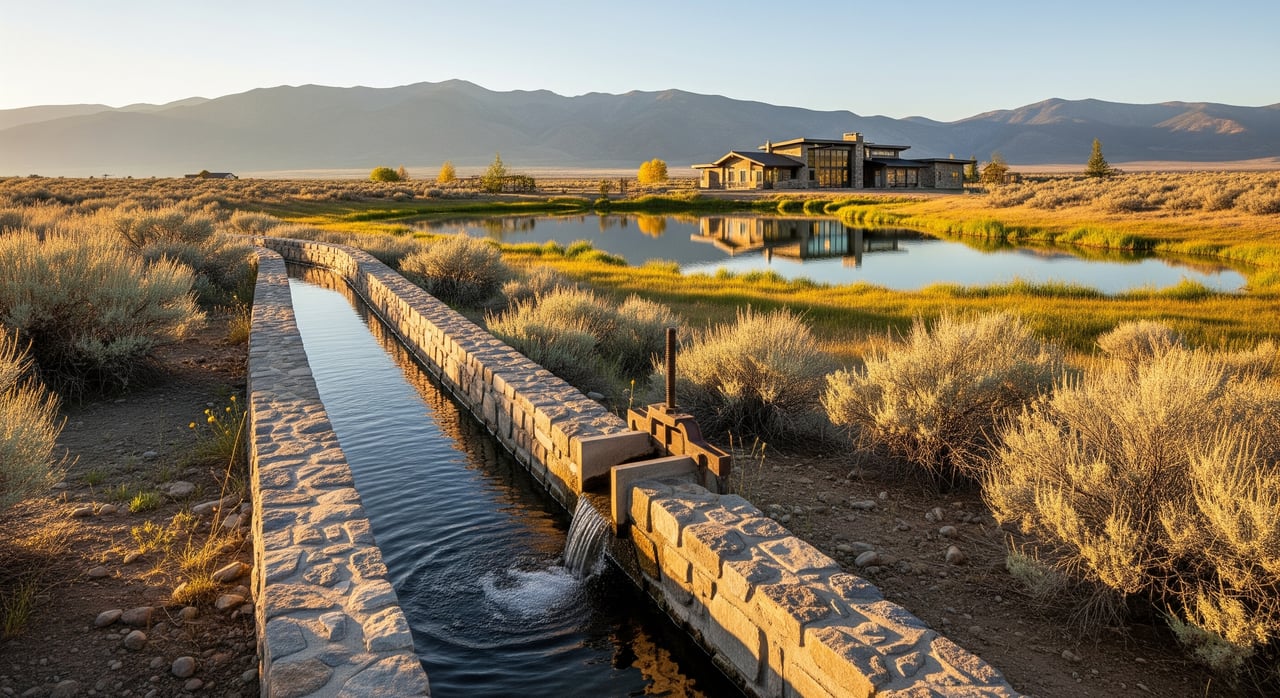
Surface water rights cover rivers, streams, springs, and irrigation ditches. These rights specify a point of diversion, a place of use, a type of use, and often a season. Groundwater use from wells is also regulated and usually requires a permit. Both are tracked in state records that show what you can use, where, and for what purpose.
Priority and reliability
Nevada follows prior appropriation, which means priority date matters. Senior rights are filled first in dry years, while junior rights can be curtailed. A certificated right generally reflects a perfected, more secure right than a pending or permitted right. Always factor priority and status into your risk assessment.
How water works in Gardnerville
Common water sources
Carson Valley draws from the Carson River and the valley aquifer. Depending on the parcel, you may rely on:
- Direct surface diversions through irrigation ditches.
- A private domestic well or a shared well.
- A mutual or community water system.
- Public water service in select areas, depending on location and availability.
Typical parcel setups
Many irrigated agricultural tracts carry recorded ditch or irrigation rights tied to the Carson River or historic systems. Rural residential parcels often use private wells for a single home, sometimes with shared well agreements. Some subdivisions are served by mutual water companies or HOAs with separate water rules and assessments.
Local planning and management
Water management in Carson Valley includes basin-level planning and drought response. The State Engineer manages groundwater basins and can set rules or limits on pumping. Local watershed groups and conservation districts participate in planning and projects that affect how water is managed across the valley.
Due diligence before you buy
Ask for key documents upfront
Request these items early and build water-specific contingencies into your offer:
- NDWR permits, certificates, and water-right abstracts for surface water and wells.
- Well logs and any pump test data for on-site wells.
- Recent water bills and rate details if served by a utility or mutual system.
- Recorded easements, ditch agreements, and any ditch company membership or assessment info.
- Any conservation or local water district notices or documents.
Confirm records and title
Have your title team or attorney check:
- NDWR databases for surface and groundwater rights tied to the parcel, including priority dates and places of use.
- County Recorder and Assessor for easements, mutual water company documents, and related records.
- Preliminary title for appurtenant water rights, reservations, transfers, or encumbrances.
- County planning or public works for any well, septic, or service-area records.
On-site checks and testing
If the property uses a well
- Get the well log and confirm depth, static water level, and yield.
- Review pump size, age, storage, and equipment condition.
- Consider a current yield test, especially for irrigation or livestock plans.
- Verify setbacks, sanitary condition, and test water quality if needed.
If the property uses a ditch
- Obtain the recorded irrigation right with flow rate, season, and priority date.
- Confirm access to the point of diversion and the place of use.
- Review ditch company membership, assessments, and maintenance duties.
If served by a mutual or community system
Get governing documents, rules, and recent meeting minutes.
Confirm assessment history, capacity, and any planned upgrades.
Ask about connection limits, pressure, and future project timelines.
Legal and administrative checks
- Verify priority dates and whether each right is permitted or certificated. Certificates are generally more secure evidence of perfected rights.
- Ask the State Engineer about pending applications, curtailments, or basin actions that could affect your ability to pump or divert.
- Determine whether you need a transfer or a change of place or type of use for your plans. These require approval and can be complex.
- Check for basin adjudications or litigation that could affect timing, reliability, or transferability.
Risks and red flags to avoid
- Missing or unclear paperwork, such as absent permits, certificates, or well logs.
- Rights that were previously severed and are no longer appurtenant to the land.
- Junior priority dates that may be curtailed in dry years.
- Pending basin restrictions or adjudications that limit new wells or transfers.
- Unfunded ditch or mutual assessments that could become your responsibility.
- Uncertain well yield or aging equipment needing costly repairs.
Timeline and costs
- Pre-offer: request all water documents and include water contingencies.
- First 10 to 30 days under contract: complete NDWR searches, title review, well log requests, and schedule inspections or pump tests.
- Before closing: resolve title and rights questions, confirm ditch or mutual assessments, and secure any needed approvals or contingency releases.
Budget for record searches and copies, plus professional help as needed. Well inspections, pump tests, and technical reviews can range from a few hundred to several thousand dollars depending on scope. State fees for permits or transfers vary with project size and complexity.
Plan your water strategy
Your water plan should match your goals for the land. If you need irrigation, confirm a valid surface right and physical access to the ditch. If you need a new well, check basin rules and permit prospects before you commit. If you plan to change how water is used, verify whether a transfer is realistic and what it will cost.
When you are ready to evaluate a specific parcel, start with the document list and on-site checks above, then bring in the right professionals. If you want a local, real-world perspective on how water rights affect value and deal terms in Carson Valley, reach out to Chris Lamb to talk through your plan.
FAQs
Are water rights automatically included with Gardnerville land?
- No. Some rights are appurtenant to the parcel and others may have been severed or are separately owned, so you must verify rights through title and state records.
Can you drill a new domestic well in Carson Valley?
- You generally need a permit from the State Engineer, and approval depends on basin conditions, prior rights, and state rules that can limit new development.
Can you use an irrigation right for a house supply?
- That usually requires an approved change in place and possibly type of use through the State Engineer, and approvals can be conditional or limited.
How reliable are private wells in Gardnerville?
- Reliability varies with well depth, aquifer conditions, and local pumping; documented yield and recent tests offer the best indicator for a specific well.
Can Nevada water rights be lost by nonuse?
- Rights can be at risk for prolonged nonuse under Nevada statutes and State Engineer practice, so verify the status and history of any right you plan to rely on.
What documents should you request before making an offer?
- Ask for NDWR permits or certificates, well logs and pump tests, recent water bills or mutual assessments, and any recorded easements or ditch agreements.